Parenting Tips
By JR Fenn
Babies born here are beautiful in their own way. They’ll float before you, moving their lips as they did in the dark of the womb. Their bones are brittle—be gentle when you hold them to your chest. Listen to them mewl for your new milk, yellow and thick, spun to meconium in their swaddling cloths. Save this rich, tarry substance as fertilizer for your plants.
Your babies will grow taller and thinner than you may expect from Earth books. Back then they called the ones who resembled your children the noodle kids—flexible, long-haired, flickering with energy. Those kids and their friends staged protests for the planet. They slithered across the ground like snakes, signed “COLD BOX” and “WATER BIRD” like the chimpanzees had, feathered their shoulders-to-arms and soared over ruined cities, publicizing the footage. Hopeful and slight, they reminded the people that no one’s power is absolute.
A child’s first steps occur earlier here than on Earth. Most milestones will come earlier due to lighter gravitational force. Nimble and quick, your child will keep you on your toes. For example, Moon parents have found their babies removing their own diapers at five months. I just turned around, one parent said, and she was waving her diaper above her head like a flag! This type of occurrence can be prevented by purchasing some baby-proof diaper snaps at the commissary.
Your child’s babbling will turn to speech around six or seven months. Moon babies, like Earth babies, will repeat words like more and carrot, though articulation may be slurred due to slightly weaker mouth muscles. To the standard repertoire add moonrock, floaty, and various pronunciations of disappear. Where go is common, as favorite stuffies or blankies lift out of sight—to the ceiling, or, in worst-case scenarios, into a vacuum lock and from there to outer space. A strategy of replacement works best. 3-D print a replica, complete with smells and raggedy imperfections, from that burgeoning archive of digital baby photos.
Your child may develop an imaginary friend. Back on Earth these friends most often took the form of humans or animals. Human friends were invisible but resembled the child. Animals included dogs, bunnies, and monkeys, often based on a toy or stuffie the child adored. But here, children carry pet rocks to school—granite, black stone, feldspar, and meteorites. At times their friends are stars. And let’s not forget aliens. If you hear whispering in your child’s room at night, don’t worry. This is a normal developmental stage. It’s probable that your child’s alien is imaginary, rather than real.
As your child grows older, it will be necessary to answer questions. These include questions about the Moon colony, about Earth, about how we got here, and where we’re going. We recommend a strategy of distraction. Connect your child to a variety of activities here on the Moon. Gravity disco, old world trapeze, riddle battles, a game of boules on the astroturf overlooking Betelgeuse—there’s so much to choose from. If all else fails, there’s VR reminiscence. Join your child to enjoy an old-fashioned ice rink, or an alpine stroll.
For every Moon parent, there comes a time of soul-searching. This usually arrives when your child is entering puberty. What makes us human? Why do we destroy what we love? What happened to all those people we left behind, after the fires and the global war? How were we chosen—the ones who made it to the Moon? There are no easy answers, but we have recommendations.
Buy a roulette wheel. Teach your child the games of chance. Let your child have sleepovers, watching old Westerns and science fiction classics. Go see a comedian. Laugh together at the jokes. Keep a complete encyclopedia set on the shelf. Play news in the background. Save your child’s art.
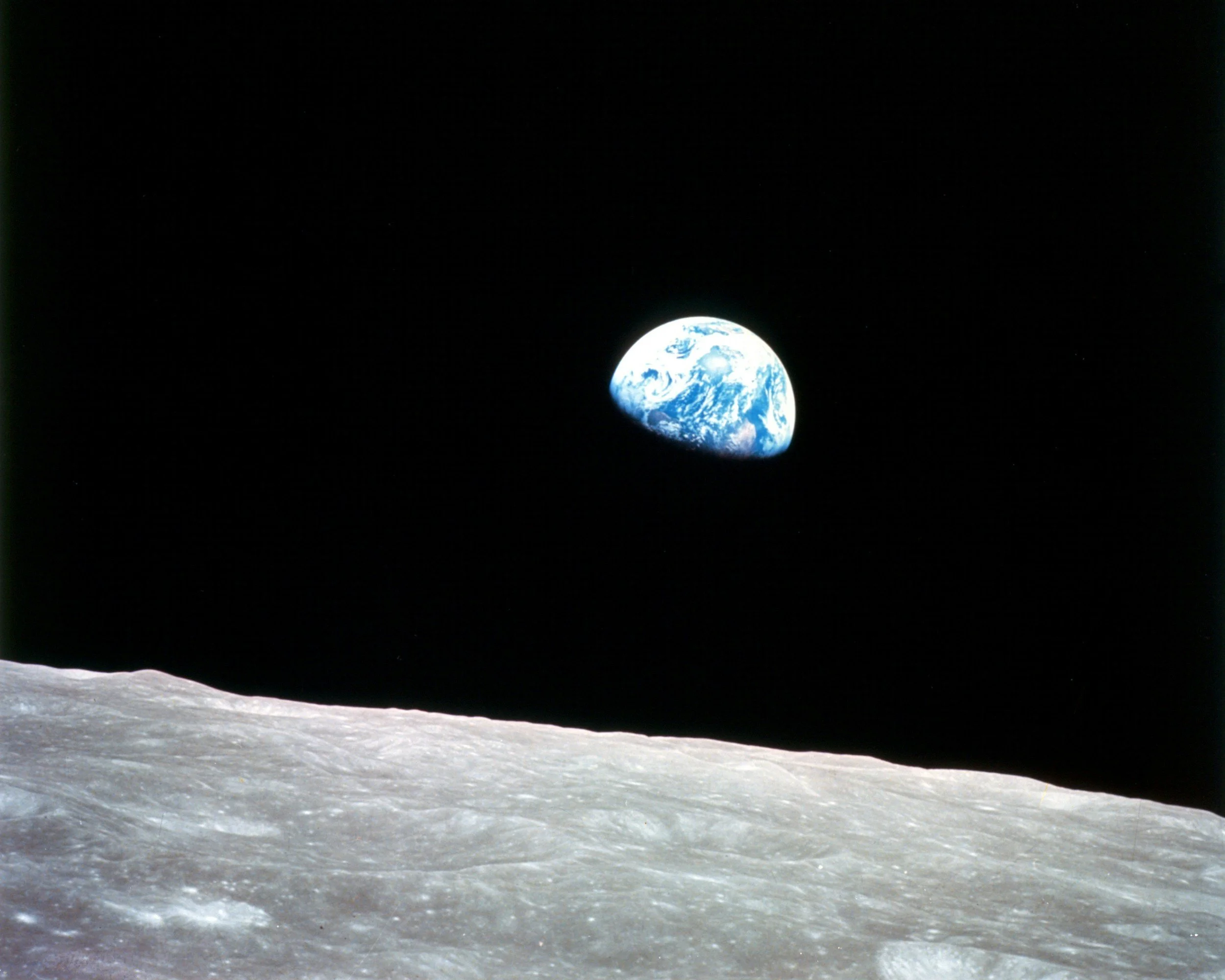
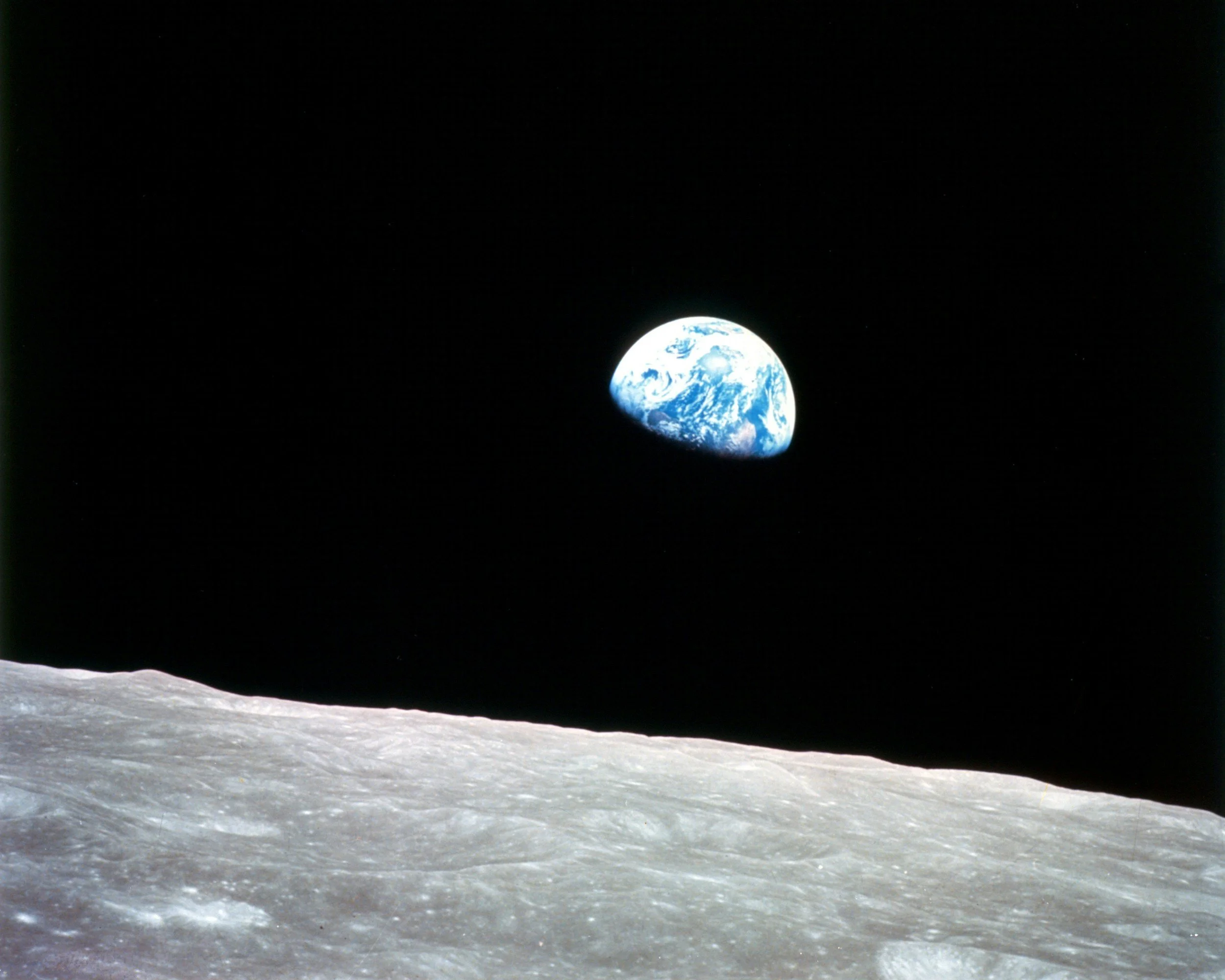
Purchase or sew clothes for special occasions—birth months, Earthrise, ring-giving, concerts, first blood parties, seasonmarks, Moonprom, etc. The silkworms are always spinning silk for these types of things. When your child is ghosted, has a heartbreak, or starts to see the downsides of life in an artificial biodome, brew the last of the kitchen garden peppermint you tucked in your suitcase when the evacuation message came. Curl up on the sofa, each of you holding a hot mug. Look out over the galaxy as the steam rises from the cups. Open a book you brought from Earth, its pages now yellowed. You’re likely to sneeze when the dust hits your nose. It’s ok if the smell reminds you of coffee shops, libraries, museums—the places that are gone. Flip around. Read the chapters aloud. Find the myth of the Child who disappears every winter and returns in the spring. Go to the tale of the Weaver, who spun images that came true. Tell the story of the Light-Bringer, who stole the sun from the Gods of Darkness. Let these legends be a reminder that life can be thieved from nothing.
When your child grows older, moves out, and returns for brief visits, be sure to move the lighthouse your child made for you in third grade to the living room mantelpiece. Prepare your child’s favorite snacks. Leave them around your quarters on small, tempting dishes. Don’t worry when you hear your child speaking on the headset to friends you’ve never known. Trust that your love will guide your child when you’re gone. Arrange a surprise outing to the dark marias. Trek up to the highlands. Look out over craters and the rift valleys. See the moon’s crust, pummeled for eons, pitted and illuminated by the stars’ steel-white glow. Turn to your child. Witness your child’s face through the clear visor. See that your child is still so young, still searching for reasons. Gather your child in your arms, your space suits crackling. Ask your child how it’s going. If there’s an answer, count yourself lucky. Tune out the solar wind, the planets orbiting above you. Listen as your child whispers and reaches for your hand.