Introduced by Marianne Janack, Editor-in-Chief
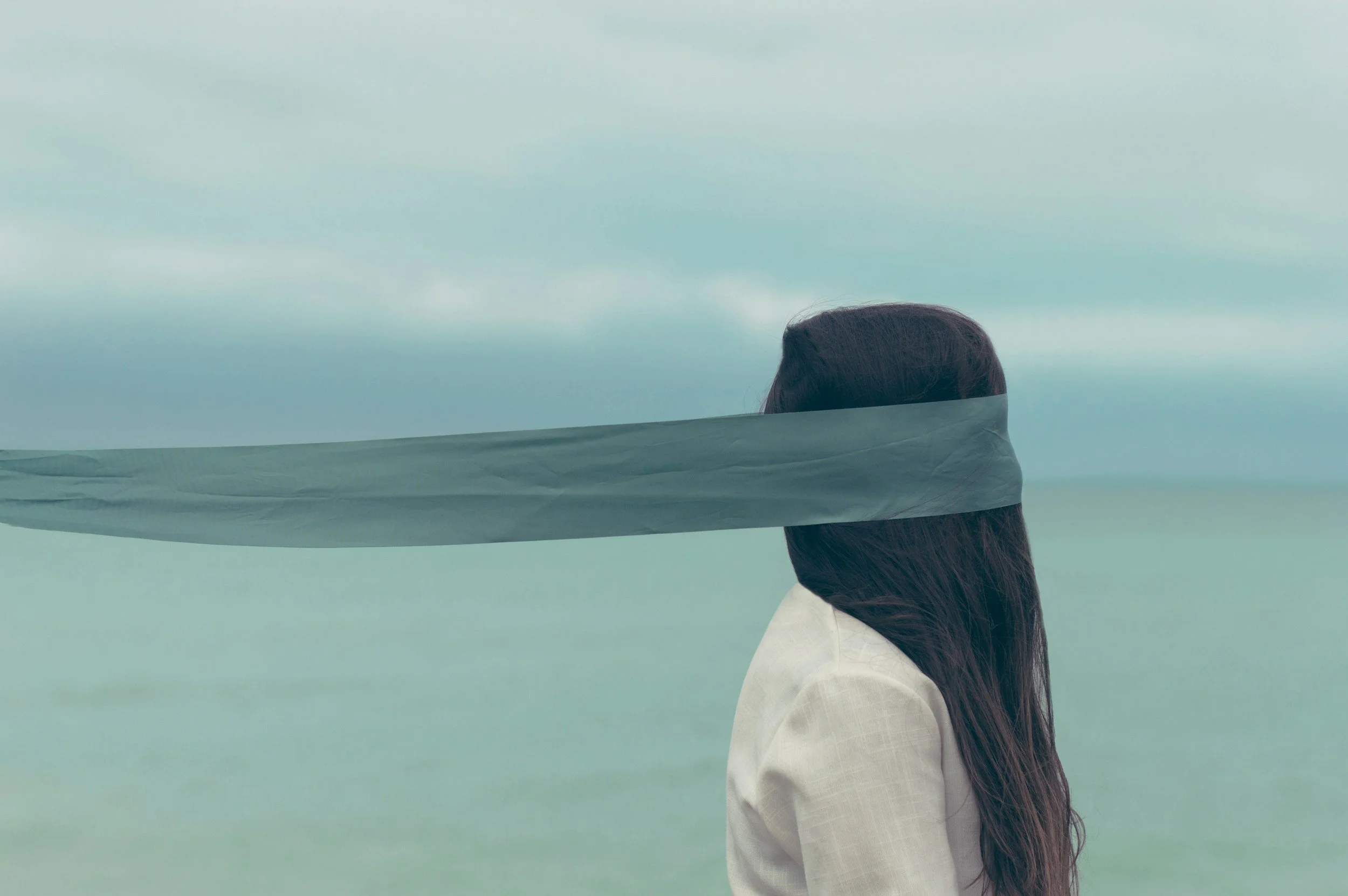
The theme of our issue comes from one of William James’s talks to students. “On A Certain Blindness in Human Beings” was published in 1899 in a book titled Talks to Teachers on Psychology and to Students on Some of Life’s Ideals. The book collected talks that James delivered to students and teachers in the late 1890s; along with “On a Certain Blindness” were “The Gospel of Revelation,” “What Makes a Life Significant,” and “Talks to Teachers on Psychology”. In his introduction to the book, James apologizes for the “unscientific” vocabulary of the talks, though the apology seems a little half-hearted-- he does not seem genuinely trouble by this. These talks are not for scientists and academics: these talks, like many of the talks he gave, are for the public. “They are practical and popular in the extreme,” James says
“On A Certain Blindness in Human Beings” is based on James’s pluralistic metaphysics, and his conviction that there is no Absolute perspective: a perspective that is not committed to a life lived, interests, and ways of seeing things. The world is a plenum of descriptions. Mutually exclusive descriptions might be explained by differences in interests, concerns, or modes of life. Each of us, James says, is committed to the importance and reality of what we are interested in and what we value. We are interested, practical, valuing beings, and this is what gives our descriptions their meanings. “Wherever a process of life communicates an eagerness of him who lives it, there the life becomes genuinely significant,” he explains.
But we often fail to see that which others see. “Take our dogs and ourselves, connected as we are by a tie more intimate than most ties in the world” James says. “… how insensible, each of us, to all that makes life significant to the other!--we, to the raptures of bones under hedges and the smells of trees and lampposts, they to delights of literature and art.” Imagine what one’s pet dog thinks as one sits reading a book for hours, James remarks. All those hours wasted staring at an object when one could be chasing squirrels or playing with sticks!
James quotes Wordsworth, Emerson, and Robert Louis Stevenson, and valorizes poetry, fiction, and art as ways of seeing, even if, as Plato said, the poets cannot really tell us how or why they know what they know. Ways of seeing go back to ways of being in the world. Significance and meaning arise from our practical activities and our ways of life. But while ways of seeing might reveal things to us, they can also make us unaware of the how others see the world.
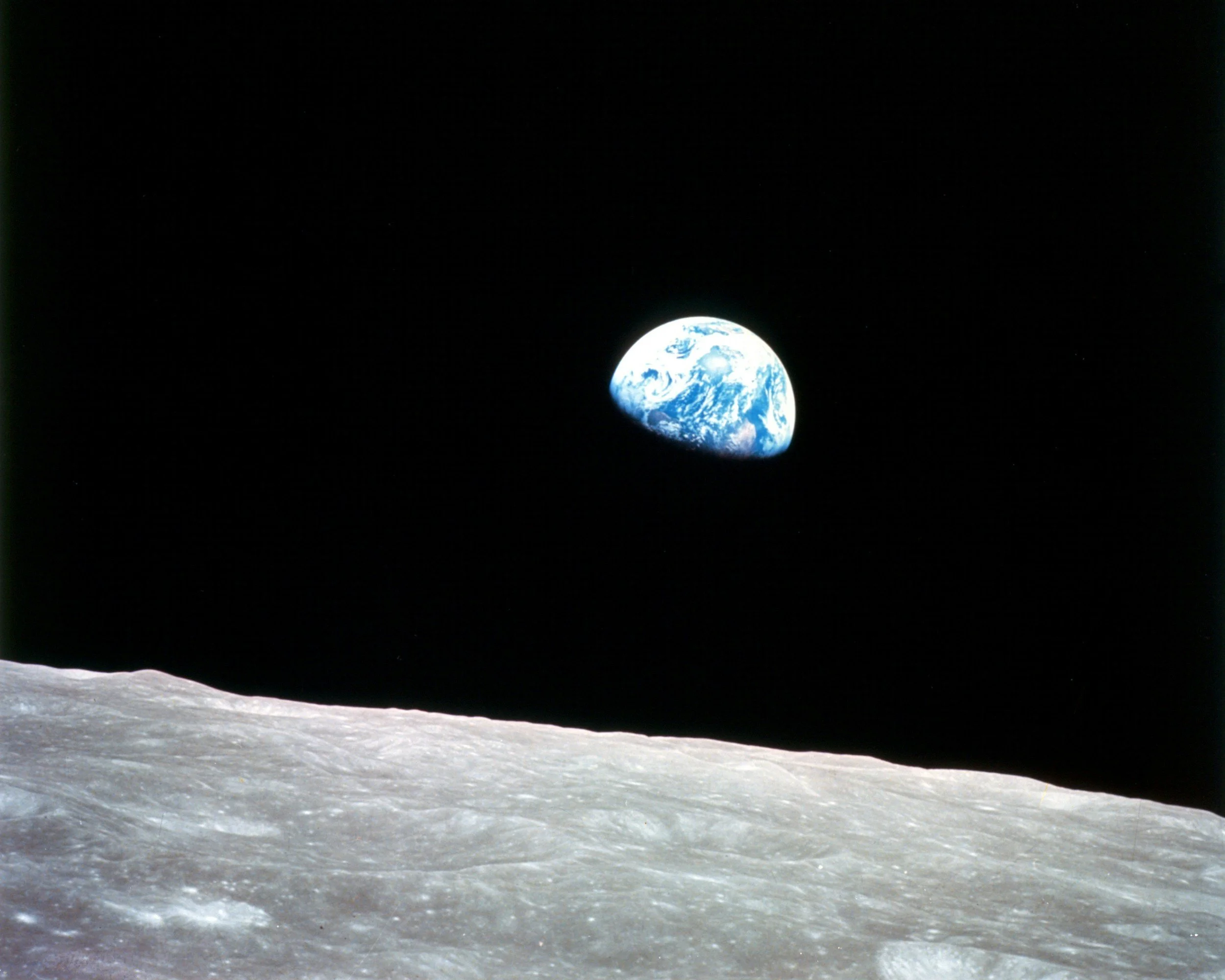
In his address to Kenyon College’s 2005 graduating class, David Foster Wallace warns the students about the tendency to focus exclusively on one’s own concerns and ways of looking at the world. This, he seems to think, is a basic element of human interactions—the upshot of the philosophical tradition that takes the mental to be entirely private, hidden away in a consciousness that is essentially solipsistic. But Wallace begins his address with a joke that shows the ways in which the taken-for-granted can become invisible, too—just as the ways that others take the world can become invisible. Part of the value of modernist literature might be the ways in which it can help us see the world from the point of view of others.
And while seeing the world the way everyone else does—and ignoring some of that--might be a basic element of common sense, it is not an ally of creativity and empathy. To see differently—that is the task of the pieces we feature in this issue.
Jacob Bergstresser has an MFA in Creative Writing from Fresno State, and his work has previously appeared in Departure Mirror Quarterly, Star*Line, and is forthcoming in a new journal called Antinous' Ring. Jacob was a 2021 Dwarf Stars Award nominee.
Arie Farnam is an Oregon-born journalist, blogger and author of The Kyrennei Series and The Children’s Wheel of the Year series. Previously based in the Czech Republic, she has written for The Christian Science Monitor, Business Week and Reader’s Digest among others, covering humanitarian, environmental and human-rights features. She has now returned to the Blue Mountains of northeastern Oregon where she is finishing up an MFA in creative writing and advocating for disability inclusion, climate justice and support for refugees. She shares her journey with a professional guide dog named Conway.
JR Fenn’s work has appeared in many places, including Boston Review, Gulf Coast, DIAGRAM, Split Lip, 100 Word Story, The Bath Flash Fiction Anthology, and The Bristol Short Story Prize Anthology. She’s a recent graduate of the MFA program at Syracuse University, where she was awarded the Joyce Carol Oates Prize in Fiction. Other recognitions include the 59th Annual New Millennium Award for Flash Fiction and Stone Canoe’s 2025 Robert Colley Prize for Fiction. Her chapbook, Tiny Vessels, won The Masters Review Chapbook Open and will be available from Red Mare Press in February 2026. She lives in Western New York with her family. Read more at www.jrfenn.com.
Pravy Jha is a student writer from India. Her work has appeared or is forthcoming in Brilliant Flash Fiction, Last Syllable Literary Journal, Outskirts Literary Journal, and anthologies such as Upon Learning That and Rooted In: Rite. She is the second-place winner of Writers’ Hour Magazine’s The Doorway contest for her piece “The Door That Waited.” She finds inspiration in Rumi, Khalil Gibran, and the storytelling of Jane Austen and Khaled Hosseini. She loves watching movies and the best thing about her is that she never gatekeeps the good ones.
Andrea Ferrari Kristeller is a bilingual writer and naturalist based in Argentina. She is the author of “The Land without You”, traditionally published by the University of Misiones Press, representing this province in the Buenos Aires 2024 Book Fair. A later version including speculative short-stories was self- published in both languages, and is actually sold at international venues in Iguazú Falls. Both her poems and stories are regularly published by different international literary magazines, and she has twice won the Horacio Quiroga International Fiction Competition, apart from receiving two honourable mentions at the Writers of the Future contest. Having spent several years researching Atlantic rainforest ecosystems and Mbya Guaraní ethnobotany, this work has directly informed the story. For the last two years, her research has been partly funded by Creature Conserve scholarships.
Chereen Shurafa is an academic researcher whose doctoral work explores trauma, grief, and the intersection of language, culture, and mental health. A published writer and counselor, she approaches her work from both the mind and the heart. Drawing on research and lived experience, her work is dedicated to creating the resources that support others in understanding, healing, and moving forward.