The Canteen
He was a child born at the wrong time.
His mother was pursuing a career and his father didn’t stay. The flooding came in his sixth summer as the seawall failed, and they fled inland, driving his uncle’s electric Nissan through ankle deep water to get out of Los Angeles—his aunt and uncle and their kids, plus the boy and his mom piled in the back. His mom’s newer mini-electric stood in deeper water and wouldn’t start.
There was no work to be had inland. No jobs for legal assistants or marketing specialists or even for wireless technicians, like Uncle Derek. They had to show up at dawn in Walmart parking lots to compete for day labor.
Then, the California grape orchards succumbed to the relentless drought and the blistering heat. Burned-out cars as well as cars that had just stopped running under the hammer of the sun lined the freeways.
Michael was the eldest of the children. His cousins were three and a newborn when they fled the drowning--yet simultaneously water-desperate--city. Eventually, they resigned themselves to a government camp in the desert. Relocation was promised month after month and then year after year. But instead more people came, and the heat got worse until people died of it, faces red and swollen, then gray and sunken with dehydration, even when there was water to drink.
They moved from one camp to another over the next four years, until they reached Boise, Idaho when he was ten. They camped near a garbage dump for several nights. It was an illegal camp, people shifting around, not officially supposed to be there. But that was where he found the canteen.
It was dingy green and had a broken strap that hung off the back. The front had the faded script “U.S. Army.” The heat-softened plastic was no longer flat on the bottom so that it couldn’t stand up and the cap was missing.
But Michael loved to look at the letters. When they first went into the camps, there had been military vehicles and soldiers who looked at him kindly and even gave him candy called “Skittles.”
The canteen made Michael think that somewhere there would be a real place for him and his mom, a place they could stay where people would reach out to him like that soldier had and say, “Here, son, you belong here.”
It was also useful because he wanted to keep water on him at all times. He learned early that clean water is the most precious thing there is. He tied a piece of rope he found to the broken strap of the canteen, so that it hung across his back, and he paired down a piece of rubber until it fit in the top.
When the heat became unbearable, Michael and his younger cousin Maddie, who was now old enough to be a companion, would climb up to the bluff outside the makeshift camp and huddle into a narrow wedge of shade, just to taste relief outside of the sweltering tents. They shared the canteen back and forth--sips of warm, brackish water that kept alive the unquenchable spirit of young boys, watching buzzards high in the blue or laughing at the noises their elders made at night.
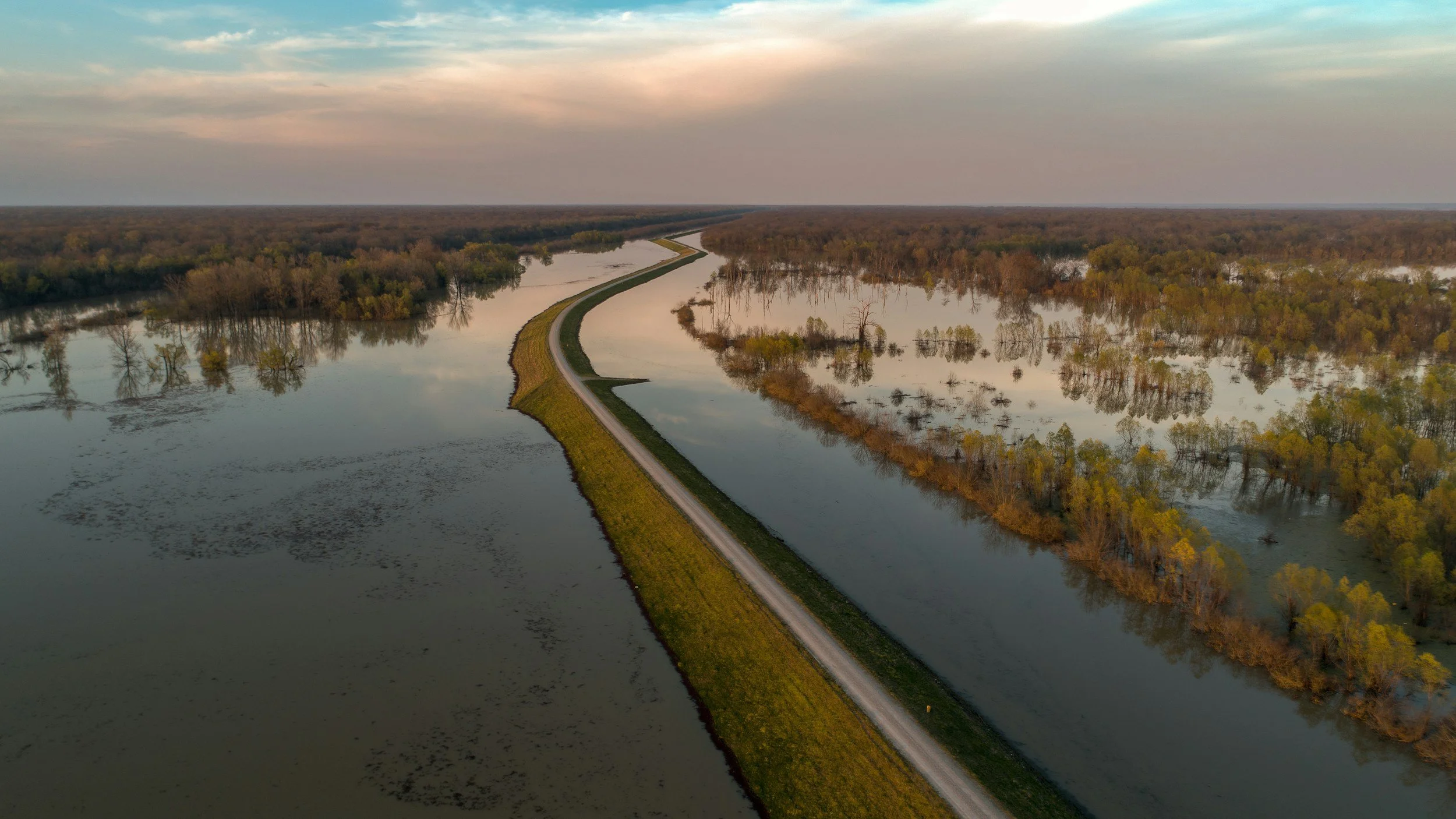
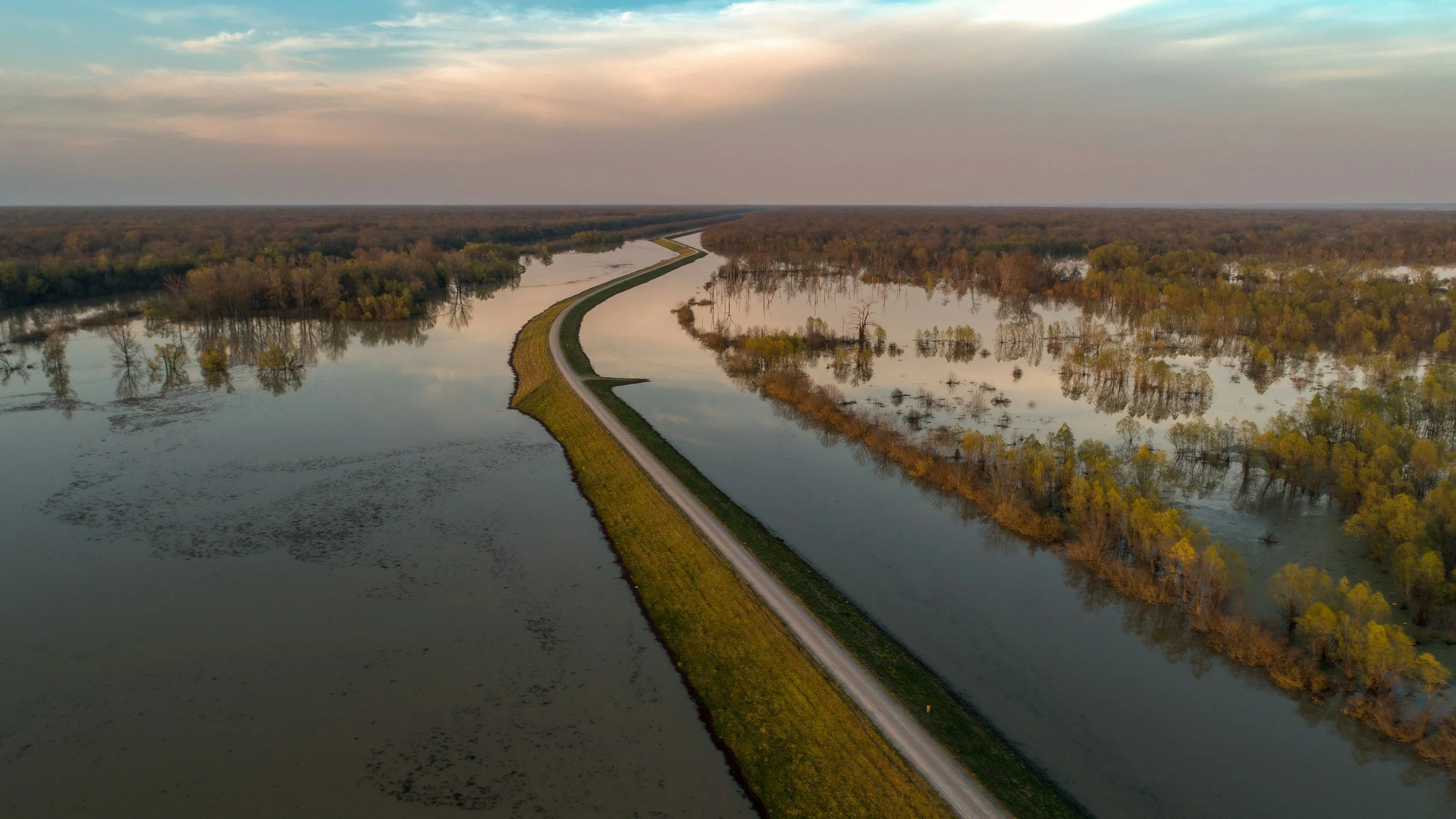
After two months in the squatters’ camp, local security forced the family to move on, walking--once the Nissan definitively died--through the desert into Oregon. And at last, they reached a valley in the northeast corner of Oregon where there was a little water left and an official refugee encampment amid baked fields and the arid ridges of mountains, blue in the haze.
People still lived in houses nearby. That surprised him when they first came to the Grande Ronde Valley. He had become so accustomed to the camps and the tents, the mud and the dust, the hopeless lines of people, endless streams of strangers on the move, everyone and everything from that comfortable life long gone. The very idea that someone might still live in a house—a normal life with school and friends and regular meals—was surreal.
#
There was a long, blue mountain west of the camp and its shadow reached out to consume the tents one by one every evening when Michael made the trek through the little town of Summerville to the spigot head to get water for his family.
It was most of a mile and heavy trudging back with the two jugs pulling on his arms and his canteen across his back. He wanted to find a stick and ropes to use as a yolk, like some of the experienced water carriers did.
The spigot stuck out of a pipe that the locals called “the Creek,” and it did lie in a shallow gully of dried, deeply cracked mud where water must once have flowed. You could tell a little water leaked out of the pipe because there was dry, yellow grass along it, not just scrub and sage brush. And nearby there was an intersection of old potholed roads.
Between the spigot and the camp, Michael had to pass through the remnants of the little town—some of the houses broken, half-burnt shells, others with protective walls built around them, topped with razor wire. Vicious dogs snarled through the gaps in the gates, lunging at his bare, dusty legs. The people behind the walls didn’t talk to camp dwellers, but some of them had to go to the spigot for water too. He heard them muttering in their guarded clumps about “the water table” and failing wells.
The camp was on the southern edge of the town, the spigot on the north. It must have been a tiny town before, maybe fifty houses once, now only forty or so still standing. But with the camp, the population must have grown tenfold or more. And the locals glared at the newcomers through narrowed, sun-bitten eyes above the bandanas they tied over their mouths to keep out the pervasive dust and the smell of the camp.
Michael could tell the camp stank, even though he had become so accustomed to it that he usually didn’t mind. Still, the stench grew stronger as he returned carrying his family’s water—the piercing, nose-stinging odor of pit latrines boiling in the sun, a rank undertone of stress and sweat and fermenting food, and the strong smell of babies—sour milk and that weird sweetish baby-poop smell that his new cousin had—along with the harsh alcohol some of the men brewed in tubs.
No wonder the locals hated them. No one wanted to live this way.
#
“What took you so long?” Michael’s mother squatted near the fire pit, cutting small, shriveled carrots into a pot.
He didn’t answer, just lowered the jugs to the dust. The smell, noise and dirt of the camp made Mom grouchy, and he missed how she used to sing old pop songs and tell him fantastical stories about the paradise they’d find just over the next hill.
Baby Amy toddled from the tent flap and Aunt Laurie called out. “Catch her, please!”
Michael bent down again, grinning at the baby, putting out his hands--wrists together--to offer a mini-hug.
His tiny cousin barreled into his grasp and Michael swung her high toward the smoke-hazed, orange sky.
“The water’s cloudy!” Mom’s voice was loud and demanding. “What’s your problem, Michael? Did you get dirt in it?”
“I just stood in line at the spigot. There are more people from the south. They’re setting up another camp on the east side,” he mumbled, looking down at his bare feet.
“The water’s been cloudy for the last few days,” Aunt Laurie said, coming out of the tent. “Michael, Maddie wants you. Can you...?” She trailed off with a shrug.
He slipped into the stifling heat of the tent, where the evening breeze couldn’t reach, but the dust and bugs were a bit less. He let Amy slide down and toddle on the hard-packed mud floor.
His boy cousins, Maddie, age seven, and Bennie, age four, lay on the mat of dry grass and rags that served as their bed. Both were lethargic and too silent for kids so young. Bennie was worse, his eyes sunken in gray pits, with no tears. He’d had the runs for a few days and water just wouldn’t stay in him.
“Hey,” Michael crooned, as he put a hand on Bennie’s head.
Only Maddie blinked his eyes open. His face was still flushed red, not the grayish look Bennie had, but yesterday he’d puked every time he tried to eat or drink. Mom said it might be something in the water, not the cloudiness but something you couldn’t see.
“You were gone a long time.” Maddie’s voice was weak and drowsy.
Michael held up the canteen. “I brought water, but the line was longer because there’s a new camp. But hey, I saw ants going into the ditch. Like little soldiers. They said to salute you.”
Maddie smiled and reached for the canteen listlessly. Michael helped him sit up and held it to his cousin’s lips. He had filled it to the top and a little rivulet ran down Maddie’s chin as he drank. Michael was sorry to see even that little bit of waste, but he didn’t scold Maddie as he gulped the water, just held the canteen firmly.
When Maddie lay back holding his belly, Michael lifted Bennie into a sitting position and tried to get him to drink, but Bennie’s eyes were dull and only half open. Most of the water spilled around his mouth. Michael had seen kids like this before in the camps. Once they looked this bad, they died soon.
“Bennie, please drink, please,” he murmured.
His aunt came back in and tried to get Bennie to drink too, her face crumpled with worry. She put a warm hand on Michael’s shoulder. “Thank you for bringing the water, Michael. Now go help your mom.”
#
The rumble of a disturbance, like the initial updraft of a growing thunderstorm, awakened Michael before the sun hit the tent. The usual cool respite of the camp at dawn was broken by angry voices and the sounds of fossil motors, the frightening growl he’d heard only a few times before.
Mom dashed in through the door of the tent with the empty water jugs, breathing in ragged gasps. “The locals are here. They’re… they’re…” She bent down, gritting her teeth to force back sobs. “They have guns.”
Aunt Laurie rose from her pallet in one quick motion, already grabbing objects and stuffing them into bags. It wouldn’t be the first time they were forced to leave by angry locals, and they knew the routine. It was better to have your things packed if they came to destroy the tents.
“Did you get any water?” Laurie shot over her shoulder at Mom.
“No, they’re blocking the spigot. They say we use up too much of their water. They won’t let anyone get near. The government guys are out there talking to them, but the locals have more guys and more guns.”
Michael reached for his canteen, still half full from last night. He slung the rope over his shoulders and got to his feet, rubbing dust out of his eyes. They packed as quickly as they could, but they still weren’t fast enough. The trucks came closer, and there were several gunshots.
Then, a gruff voice crackled over the camp loudspeaker: “This camp is being evacuated and the tents will be burned. Disperse immediately and leave this valley. You have ten minutes.”
They redoubled their frantic efforts to gather what they could, but their little bicycle cart was too heavy, piled high with their bedding, clothes and pots and Bennie, who clearly couldn’t walk on his own, wedged in at the back.
Uncle Derek had found field work in a place called Cove on the other side of the valley. He came back only one day a week, riding the bicycle they had been forced to trade for the broken-down Nissan last year in the desert.
With him gone, they would have to pull the two-wheeled cart by hand. And how would Uncle Derek find them if they left the camp?
Screams and the roar of motors swelled up on the east side of camp before the last of the bedding was lashed down. Mom grasped the bedroll in a heap over her shoulder and shouted at Aunt Laurie to pull the cart. Maddie clung to his mother, so that she couldn’t pull, especially not with the baby tied to her back.
Michael grabbed Maddie’s hand and tugged. “Come on, buddy. We’ll lead the way. We have to take care of everyone until your dad gets back.”
There was a terrible “whoosh!” from behind them and more wails—primal fear and outrage. Tents were burning just two rows back from theirs. Mom was sobbing openly now, trying to push her way forward with the bedding over her shoulder.
Maddie shrieked and lurched forward, away from the fire. People were scattering all over, running back and forth, fighting over carts and bicycles, yelling for children. Michael glanced back at his aunt as she stumbled under the weight of the cart and then got her balance and started pulling forward. The crowd surged and shoved them from side to side, but most of the people were pushing west, away from the fire.
Michael clung to Maddie’s hand and struggled forward, despite the occasional panicked family fleeing in the wrong direction. At first, he tried to stay close to Mom, but then smoke billowed over them and they could barely breathe. And within minutes, they lost sight of Mom and Aunt Laurie in the crowd of running, screaming, distraught people.
Michael knew Mom and Aunt Laurie would try to keep coming the same way, so he hung onto Maddie and forced his way forward, turning his shoulders sideways to fit between grown-ups who were moving too slowly or turning around in confusion. He pulled Maddie after him, gripping his little hand so hard it had to be bruised.
Finally, they reached the end of the tents and stumbled out onto a paved road. It was potholed and cracked every few feet, but it led straight toward the long, blue mountain. A stream of people was now moving down the road, fleeing from the fires and the sporadic shots behind them.
After they’d walked for about a mile, Maddie stumbled and sat down on the road, right where people were walking. He moaned and cried when Michael tried to get him up, so he carried his cousin to the side. They could wait there for Mom and Aunt Laurie.
They watched the stream of people going by, carrying bundles or pulling small carts. One family had a car with a bit of charge, but it died just a hundred yards further on and Michael watched as they loaded their arms with whatever they could carry and continued on foot.
A few minutes later, the fossil trucks he had heard all morning roared up on both sides of the road, driving in the dust of the dry fields and raising huge brown clouds of silt that further obscured Michael’s view of the people coming up behind them.
Men stood in the backs of the trucks with rifles aimed at the people in the road. A truck on their side of the road slowed a few yards before the place where the boys sat, and Michael could hear snippets of their shouts over the noise of the engines, “Get up, you! Move on!” and “We’ll shoot!”
The truck stayed there for a few moments, and then two of the men on the truck fired their guns in quick succession. Screams erupted from the crowd and people scrambled forward, past Michael and Maddie. He couldn’t see whether someone had been hit.
Michael stood and tried to pull Maddie up with him. Maddie’s face puckered and he started to shake and cry again, though no tears came to his eyes. The truck was pulling closer and Michael could see the faces of the men in the back and--he realized with a shock--also a boy, just a few years older than Michael, maybe twelve and not yet grown out of his preteen scrawniness.
The boy was the first to see Michael and Maddie standing still, and he jabbed his fist against the upper arm of the man next to him, pointing at the boys by the road.
“You don’t belong here! This is our land!” The boy’s jeer was high above the low rumble of motors and the sobbing of the crowd.
Maddie scrambled up, fear vibrating through his thin body. Michael grabbed his cousin’s arm and half dragged him down the road, just trying to get away, to put as much distance as he could between themselves and those men.
#
Up on the flank of the mountain, dusk caught them. Some with only bundles to carry climbed the footpaths up the mountain and those with carts took a logging track away to the north among the blackened stumps of long dead trees. No logging here anymore, but the ground was different from the dusty fields. There were still dried roots, and the ash was softer than the hardpan of dried mud.
There was a gully by the track where a jumble of blackened logs had been bulldozed to clear the road long ago. Michael helped Maddie climb down into it. They had to wait for Mom and Aunt Laurie and this was the only place to hide. With darkness coming on, they might go unnoticed. Michael allowed himself only a tiny sip from his canteen and gave Maddie two big swallows. But when water leaked out the sides of his cousin’s mouth, Michael pulled the canteen back.
“More later,” he promised.
He watched the stragglers in the dim light that filtered through the smoke and dust from the night sky. The trucks had stopped coming. They couldn’t drive through the stumps beside the road. But there was still no sign of Mom or Aunt Laurie. All day he’d scanned the stream of exhausted people until his eyes stung. How could he have missed them?
The line of refugees thinned out until there were only a few people passing by at intervals. And at last, Michael slept.
When the sun crawled orange and hazy over the distant mountains to the east, it struck his eyes where he lay among the jumble of branches and ash. Michael woke with a jolt of pain as his throat rasped, the tender membranes parched and cracking. He reached for his canteen and removed the rubber cork. The smell of the water was shocking through the dust, a deep blue-green smell that made him think of frogs and algae.
He raised the canteen and sipped, just a little. The liquid trickled a path of fire down his throat as it stung the cracked places.
Then he looked to Maddie. Maddie lay utterly still, his face covered with ash and dust so that it was entirely gray. There were little drifts on his eyes and Michael reached over to brush it away, so that his cousin wouldn’t get dust in his eyes when he opened them.
At the touch of his cousin’s face, his hand and his mind froze. Maddie’s face was cold and rubbery. Too cold. Too still.
“No no no!” Michael’s shoulders started to shudder, but he couldn’t make a sound.
What had he done? He was supposed to take care of Maddie! It was his job! Why hadn’t he given him the rest of the water? Tomorrow didn’t matter. Only Maddie opening his eyes would matter!
Full understanding was like a nightmare beast about to leap on him. This could not be.
Maybe. Maybe if he found Mom and Aunt Laurie, they could help Maddie. They could put him on the cart with Bennie and he’d wake up again. Michael clambered out of the tangle of burnt sticks and logs and scrambled up the bank to the road.
As he stood, looking back and forth along the logging track, he heard a shout back the way they had come. Full of hope and wonder, he turned toward it, but out of the dust, half-silhouetted against the morning sun… they were not Mom or Aunt Laurie, but two older boys, teenagers with sticks.
“Go on! Leave, camp rat! You can’t stay here!” One of them yelled.
“I… I have to find my mom and aunt.” Michael coughed out a few words in a hoarse croak, but he didn’t think they understood him; his throat was so dry.
“Move!” the other yelled, raising his stick.
Michael turned and ran—or tried to. He stumbled and fell over a burned stump. He scrambled up, but the stick came down across his back with a “crack!”
Michael felt the canteen slung over his shoulder dig into his back as the club struck it. He got up and ran in earnest then, following the track, going after the last of the camp people.
After a few steps, he heard them stop chasing him. But then he smelled the deep green algae smell and felt something much worse—dampness on his back. He grabbed wildly for the canteen, swinging it around to his front.
The shell of it was cracked up toward the top. The rubber cork was gone and there was a big hole in the side. There was still a little water sloshing around in the bottom, but there was no way to keep it there, to keep it safe from dirt and ash.
Michael licked the droplets of water that had spilled on his hands and on the outside of the canteen. He must not drink it all. Bennie and the baby would need it.
He had to find them. They must have passed by in the night and missed seeing the boys hidden in the pile of logs.
Cradling the remnants of the canteen in both hands, he kept walking, while the road rose gently toward the yellow-brown hills to the north.
#
The dirt track came to a gravel road and Michael didn’t know which way the people from the camp had gone. He thought they’d want to run away from the valley and the men with guns. There was a wall of smoke billowing up from the valley too. Had the fire from the torched tents spread?
He could no longer see the morning sun; the smoke was so thick. He turned away from the smoke and the hostile valley, even if it meant going uphill toward the mountain.
But after another mile, he thought he must have chosen wrong, because all along where the camp people had been there were bits of clothing or bedrolls abandoned when the people carrying them became so tired that their encumbrance outweighed whatever imagined use they might have had. There had been nothing discarded along the track since the turning.
His muscles trembling with exhaustion and thirst and fear and grief and guilt, Michael sank down onto a log half-buried in ash by the side of the road and curled his body around his tiny reservoir of water.
He coughed in the thickening smoke, but his body lacked the strength to shake him further. His eyes stung, but there were no more tears.
He must have drowsed a bit, slumped over his knees. Then some ancient instinct woke him. He jolted upright and stared into a pair of amber eyes.
It was like a big dog, like the dogs behind the gates in the little town. But it was much larger, a mottled light and dark gray. The fur was matted, and its sides were sunken so that Michael thought it was very hungry.
And the curious eyes stared at him without the familiar defiance of most feral dogs.
Wolf.
The word came uninvited into his mind. People had talked about wolves on the trail through the desert from Idaho. They’d attack children or small animals at the edges of the makeshift refugee camps.
But he didn’t think this wolf was ready to attack. Michael himself was too tired to fight back in any case, too deep in despair to muster much fear, beyond an instinctive whisper in the back of his mind.
The wolf took a tentative step forward, cautious but steady. And then Michael saw the wolf’s eyes flick away from his own, down toward his hands.
That was what the wolf wanted then. He or she could no doubt smell the water as well as Michael could.
Michael’s hands tightened around the canteen. He couldn’t let it go. It was the only thing he had for Bennie and the baby and Mom and Aunt Laurie. He had to save it for them. He narrowed his eyes at the wolf, and a low growl rumbled through the animal’s scrawny frame in answer.
There was a tiny noise from the scrub on the other side of the narrow road, a whimper. And the wolf whirled around, snapping a threat. But out of the scrub stumbled only a tiny pup, darker gray than the grown wolf and shaky on four tiny legs.
The wolf—the mother wolf, he guessed—yipped twice and growled again, nudging the pup back toward the cover of sage brush. But the pup knew she wasn’t serious, and it tottered further out into the road.
She turned back toward the boy, a glint of flame in her canine eyes, and her teeth shone white as she lowered herself to the ground, defensive and braced against the earth. Michael gauged the small weight of the water in his hands, pungent in the kiln-dry air.
The liquid, dark scent cut through even the acrid taste of smoke in the mother’s mouth. Her fur bristled, but the muscles of her legs yearned toward it. The pup’s ears pointed forward and a tiny pink tongue came out, licking the air as if the moisture the boy held could be carried on a breeze.
Michael’s eyes met the mother’s eyes, blue to gold—an understanding of need, the close eye-to-eye gaze of wild wolves upon meeting someone from a strange pack.
Michael slowly lifted the canteen and put his lips to the broken corner. He let one last long swallow slide down his burning throat. Then carefully, he pulled at the broken plastic, peeling away the top of the smashed canteen and bending the upper half down to expose the bottom as a small bowl.
Then he leaned forward and carefully placed it on the gravel of the road, pushing down hard to make sure it was steady and propped on the broken half before he withdrew his hands.
The baby tottered forward again, and again the mother snarled for the pup to stay back. Michael stood cautiously and started walking away, up the road, away from the smoke, toward the mountain. Only then did she let her pup come to the water.